Organizational Behavior
Works on Behaviors
When
Decisions stall, the culture pulls back to the old ways and agreements don't turn into action.
Topics
- Culture
- Decision-making
- Organizational intelligence
 Leap Thinking
Science applied to organizations
An invisible problem that is costing you more than you think.
Introducing Leap
The symptoms
Organizational incoherence is rarely seen directly. You see it through its symptoms: you recognize them, you name them in meetings, you go over them in retrospectives. But they come back.
Each symptom is a signal of something you cannot see. If you only treat the symptom, it comes back.
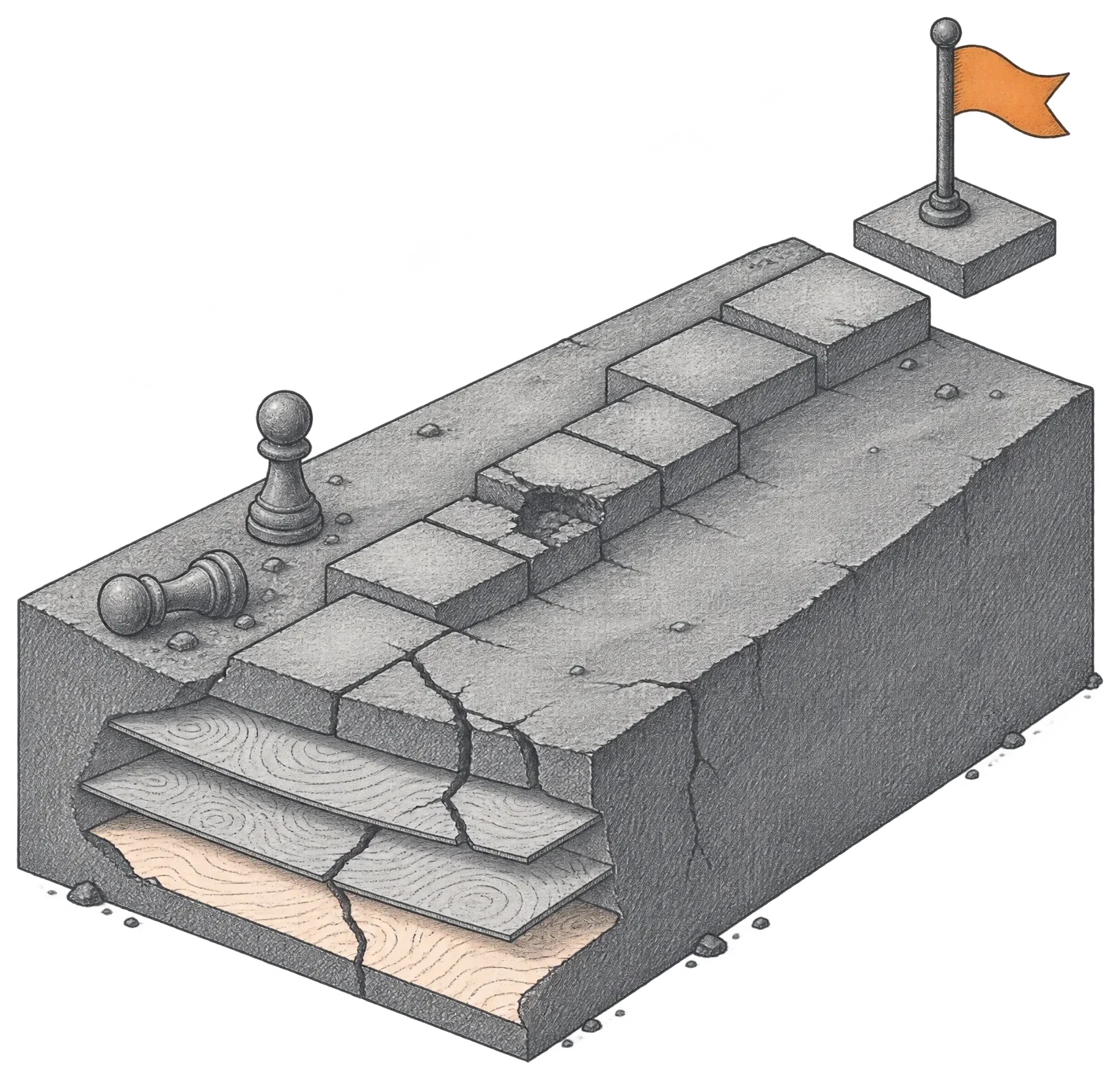
The performance curve
Most organizations operate at a low or average level. High-performing organizations do three things very consistently, and that translates into business results.
Your gap
Bottom 20%
Low performance
65% of
organizations
Average performance
Top 15%
High performance
Lower performance
Higher performance
↔ Drag the dot to place your organization
Average performance
The vast majority. Functional businesses that survive, make moderate profits and run on standard processes.
Average performance. The vast majority. Functional businesses that survive, make moderate profits and run on standard processes.
The cause
Structures were designed for a specific moment. Processes were put in place out of habit. Culture formed by inertia. When the strategy changes, the internal system does not keep up.
That is why incoherence is a misalignment between three pillars, observed at three levels: individual, collective and organizational. You solve it by working on all three pillars at once.
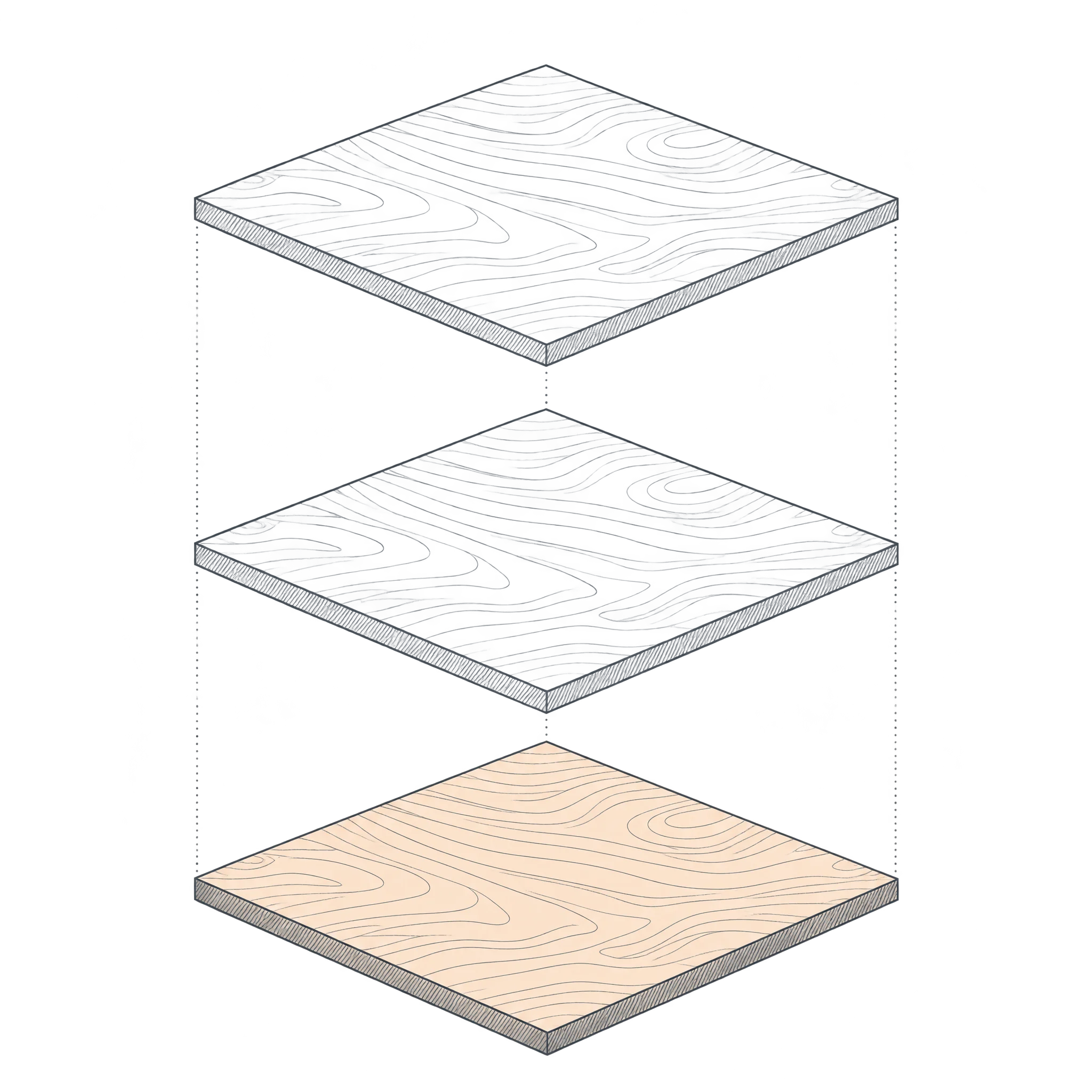
The science behind high performance
Traditional consulting diagnoses from the outside and designs from logic. In theory, it works. At Leap we apply the science behind high performance, which has two parts.
Part 1 · The what
What the top 15% does
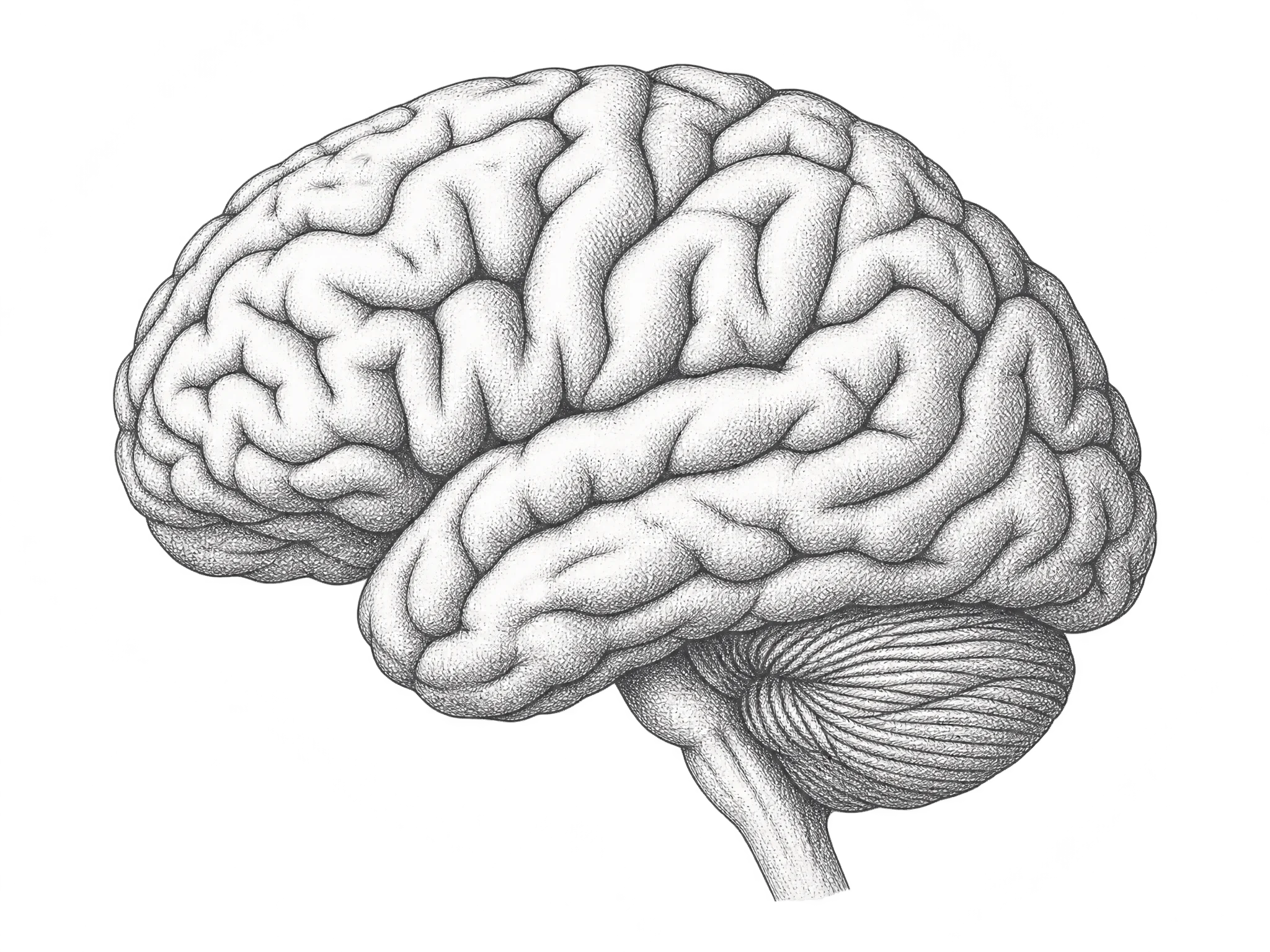
Part 2 · The why and the how
Why it's hard and how it changes
Cognitive science explains how people and organizations build mental models, form habits and make decisions, and which conditions make a behavior more likely across systems, behaviors and human capabilities.
Psychology · Neuroscience · Anthropology · Behavioral economics · Artificial intelligence
The return
14–44%
more profitable
up to 2x
in engagement, innovation and customer satisfaction
Adopting the practices of the top 15% is one of the best investments an organization can make.
Results
Results
Leadership for change
“Thanks to our work with Leap, our leaders developed new ways of thinking and acting in the face of change. Today we have more committed teams, better able to sustain the transformation from within.”
Alignment for leadership
“Our C-Level team now operates with a clearer, more aligned strategy. Leap helped us connect vision and execution, reducing friction and building consistency in the way we make decisions. We are moving forward with greater cohesion and a focus on sustainable results.”
More effective teams
“We needed to consolidate the B2B sales team. With Leap we worked on building sustained patterns of collaboration and performance, with clear agreements and a culture of trust. Today the team operates with greater cohesion and is ready to keep growing.”
The method
Whether it's developing leadership, improving teams, designing strategy or leading deep change, we always work with the Cognitive Coherence Method™ (CCM): four stages that turn the diagnosis into sustainable transformation.
For organizations that see the gap and want to address it seriously.
Works on Behaviors
When
Decisions stall, the culture pulls back to the old ways and agreements don't turn into action.
Topics
Works on Human capabilities
When
Leaders don't lead the way the organization needs, or teams never quite come together.
Topics
Works on Systems
When
The strategy changed, but processes, structure and the way work gets done are still the same.
Topics
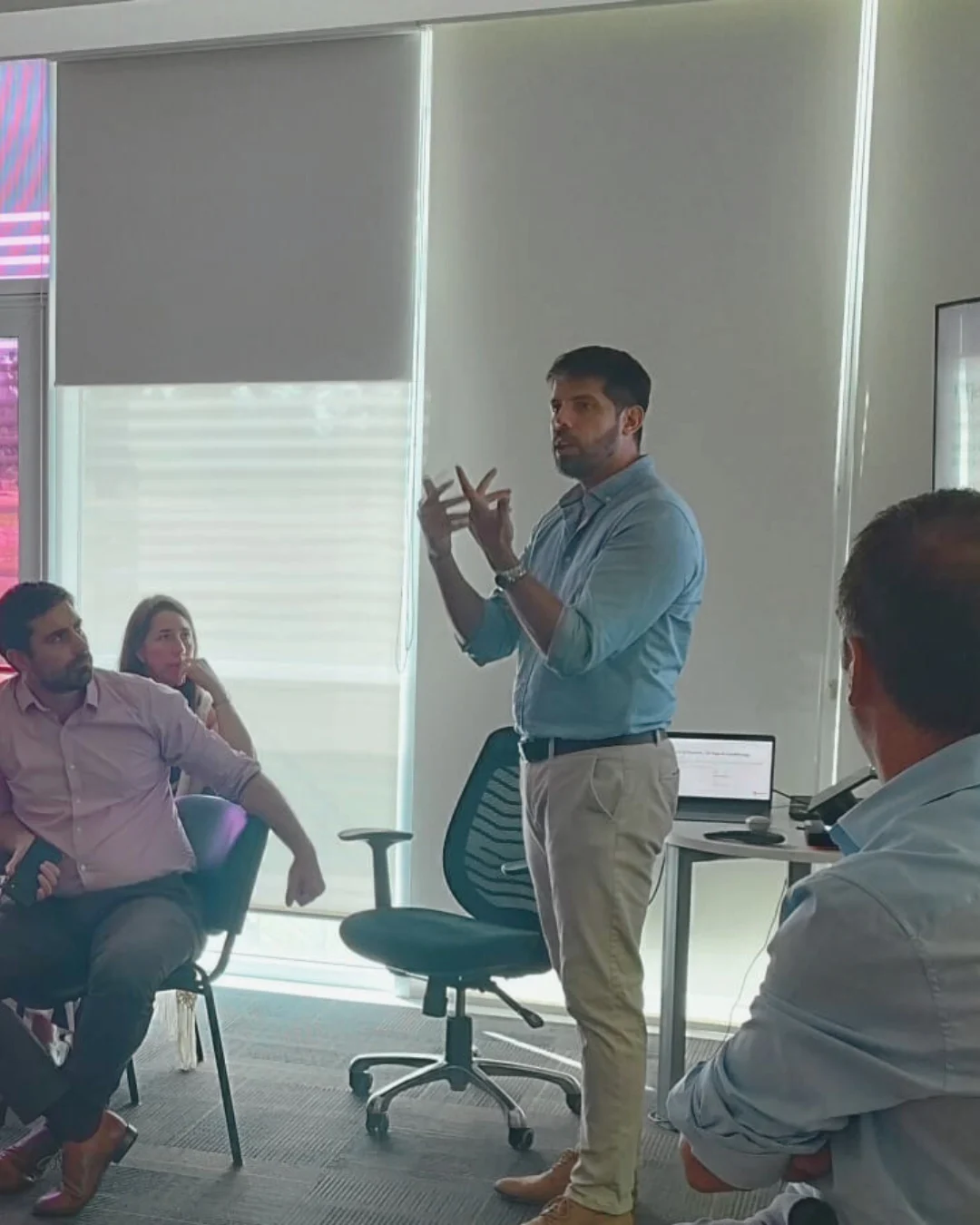
Who we are
We're a global organization with a local perspective, specialized in Organizational Behavior, Development and Change. We combine more than 20 years of experience in high-performance organizations with a science-based method to bring other organizations to that level.
Clients






Who do we work with?
There's no industry, size or sector profile. We work with organizations that share one conviction: sustainable results aren't improvised. They take method, science and a real willingness to do the work.
Our clients come with different problems, from leadership and culture to strategic execution and change. What they share is this: they see the gap, they understand it goes beyond the symptoms, and they're willing to address it seriously.
If you're looking for a quick fix or a provider to validate what you've already decided, we're probably not the right fit. If you're willing to understand the real problem and build from there, let's talk.
Coherence diagnostic
Answer 18 questions about your organization's systems, behaviors and human capabilities, across their three levels. You get your coherence score, a map of where the biggest gap is and three recommendations to get started.
Coherence diagnostic
Coherence score
From 0 to 100, with the profile of the three pillars
Systems
Behaviors
Human capabilitiesBiggest gap
Illustrative example
Let's talk
The problem is organizational incoherence, and it can be solved.
What happens next
 Leap Thinking
Write to us: info@leaptp.com · leaptp.com
Use ← → to move